


Is Your Home Ready for Winter? What North Carolina Homeowners Should Check
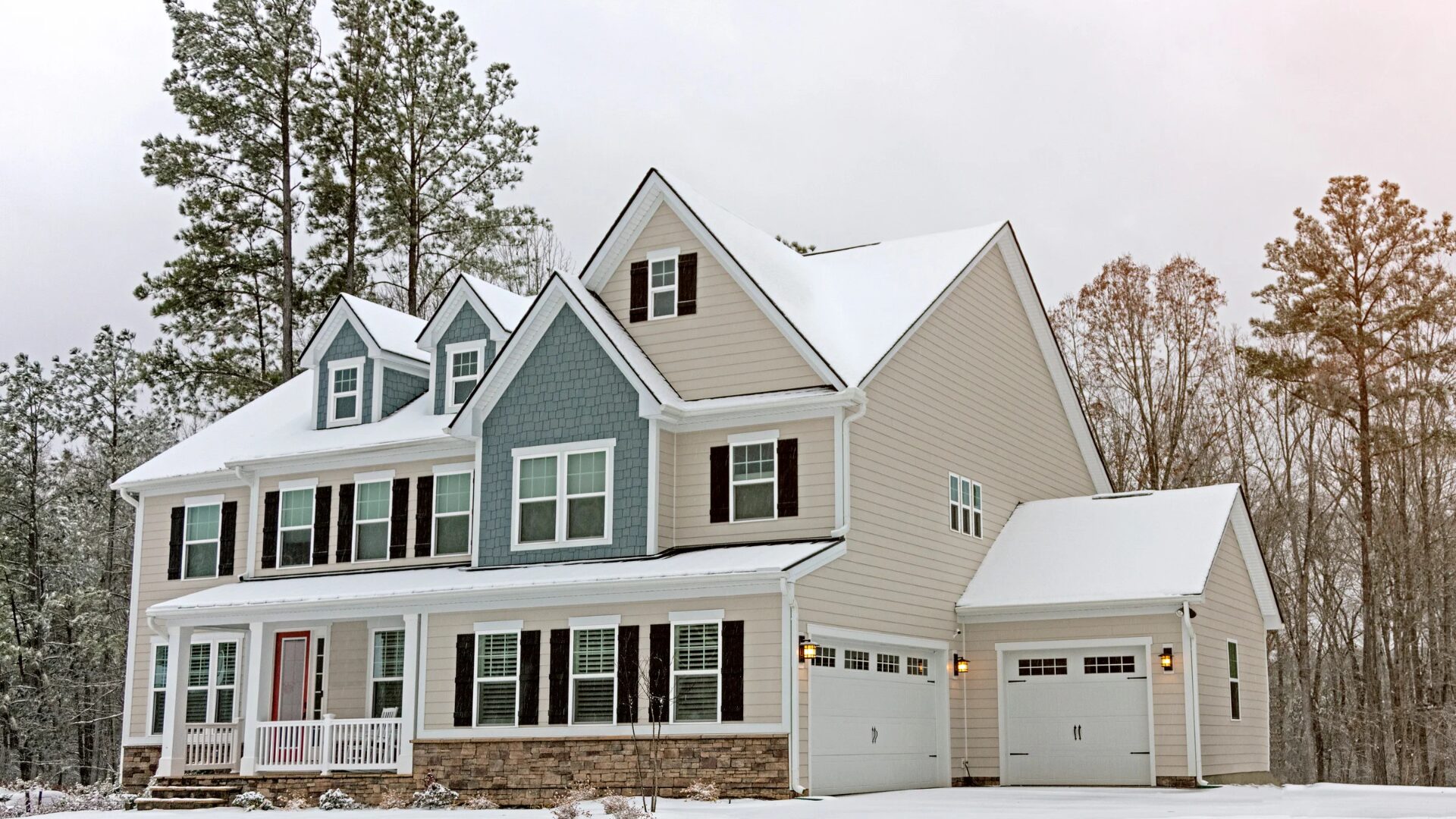
A Winter Home Maintenance Checklist for Raleigh, Cary, Durham, Apex, Holly Springs, Wake Forest, and Morrisville
As temperatures begin to drop across North Carolina, many homeowners start thinking about heating systems, fireplaces, and keeping their families comfortable. But what about the outside of your home?
Have you prepared your home’s exterior for winter?
Your roofing, siding, gutters, exterior wood, and deck work together to protect your home from the elements. Even though winters in the Raleigh-Durham area are generally milder than those farther north, freezing temperatures, heavy rain, occasional snow, ice, and fluctuating weather conditions can expose existing problems.
A small roof leak, clogged gutter, or deteriorating piece of exterior trim might not seem urgent today. However, moisture intrusion and repeated freezing and thawing can turn minor maintenance issues into expensive repairs. At NC Rebuild, we’ve been helping Triangle-area homeowners maintain, repair, and improve their homes since 2007. Here are the exterior maintenance areas we recommend checking before winter arrives.
1. Inspect Your Roof Before Winter Weather Arrives
Your roof is your home’s first line of defense against rain, wind, and winter weather. Over time, shingles can loosen, flashing can deteriorate, and small openings can develop around roof penetrations. These problems may go unnoticed until heavy rain or freezing conditions reveal a leak.
Signs your roof may need attention
- Missing, cracked, curling, or lifted shingles
- Dark stains or water spots on ceilings
- Damaged flashing around chimneys, vents, or skylights
- Loose or deteriorating ridge caps
- Excessive shingle granules collecting in gutters
- Sagging roof sections or visible decking damage
- Water stains or damp insulation in the attic
Why winter makes roof problems worse: Water can enter small openings and damage roof decking, insulation, and interior finishes. When trapped moisture freezes, expansion can worsen existing cracks or gaps.
Should you repair or replace your roof before winter?
Not every roof problem requires a full replacement. A localized leak or damaged section may be repairable, depending on the roof’s age, condition, and underlying materials. However, widespread shingle deterioration, recurring leaks, or extensive decking damage may justify a roof replacement. A professional roof inspection can help determine whether a repair is sufficient or a larger project is necessary.
NC Rebuild provides residential roofing inspections, roof repairs, and roof replacement services throughout Raleigh and the surrounding Triangle communities.
2. Clean and Inspect Your Gutters and Downspouts
Fall leaves and pine needles are common causes of clogged gutters throughout central North Carolina. When gutters become blocked, rainwater can overflow and run down your siding, behind fascia boards, or around your home’s foundation. During freezing weather, standing water can turn to ice, adding weight and stress to gutter systems.
What to look for
- Leaves, pine needles, and debris inside gutters
- Gutters pulling away from fascia boards
- Sagging or improperly sloped gutter sections
- Leaking gutter joints or end caps
- Downspouts that are disconnected or blocked
- Water stains on siding below the roofline
- Soft or rotten wood behind gutter attachments
Why seamless gutters matter
Seamless gutters have fewer joints than traditional sectional gutter systems, reducing the number of potential leak points. Properly sized and installed gutters help direct rainwater away from vulnerable areas of your home. Gutter guards can also reduce the accumulation of leaves and debris, although periodic inspection and maintenance are still necessary.
NC Rebuild installs and repairs seamless gutters and gutter protection systems. We can also address damaged fascia boards that may be discovered during gutter replacement.
3. Check Your Siding for Cracks, Gaps, and Moisture Damage
Your siding does more than improve curb appeal. It helps protect your home’s exterior wall assembly from wind-driven rain and moisture. Damaged or improperly installed siding can allow water to reach materials behind the exterior finish. This is especially important during winter, when prolonged damp conditions and freezing temperatures may aggravate existing damage.
Common siding problems to inspect
- Cracked, broken, or missing siding panels
- Loose vinyl siding after strong winds
- Warped or deteriorating wood siding
- Soft or swollen hardboard siding
- Damaged fiber cement siding
- Gaps around windows, doors, and exterior penetrations
- Deteriorated caulking at appropriate sealed joints
- Peeling paint or discoloration suggesting moisture problems
Repairing siding versus replacing it
A few damaged siding boards or panels may be repairable without replacing the entire exterior. However, widespread deterioration, recurring moisture damage, or improper installation may require more extensive work. The key is identifying the source of the problem rather than simply covering visible damage.
NC Rebuild provides siding repair and replacement services, including vinyl siding, fiber cement siding, and exterior trim repairs.
4. Don’t Ignore Rotten Wood Around Your Home
One of the most overlooked winter maintenance concerns is deteriorating exterior wood. Wood rot frequently develops in areas exposed to repeated moisture, particularly where drainage, flashing, or protective finishes have failed.
Common trouble spots include:
- Fascia boards behind gutters
- Soffits and roof overhangs
- Window and door trim
- Exterior corner boards
- Porch posts and columns
- Deck framing and stair components
- Wood siding and trim near the ground
- Areas where rooflines meet exterior walls
How can you tell whether exterior wood is rotten?
Look for peeling paint, dark discoloration, swollen wood, cracks, and areas that feel unusually soft. Rotten wood may crumble or compress when gently probed. Avoid aggressively testing structural components, especially elevated decks or porch supports.
Why repairing rotten wood before winter matters
Moisture-damaged wood can continue deteriorating when exposed to repeated wet weather. If the damage affects fascia, decking, or structural components, it may also compromise the attachment of gutters, siding, or other exterior materials. Replacing damaged wood and correcting the underlying moisture source can help prevent the problem from returning.
NC Rebuild handles exterior carpentry and rotten wood repairs, including fascia, soffits, siding trim, and other damaged exterior components.
5. Inspect Your Deck Before Cold and Wet Weather
Decks experience year-round exposure to rain, sunlight, humidity, and temperature changes. Winter is a good time to inspect deck boards, stairs, railings, and structural connections, especially if the deck has experienced several seasons of heavy use.
Deck maintenance checklist
- Check for loose, cracked, or deteriorating deck boards.
- Look for soft or rotten wood around posts and stair stringers.
- Inspect railings for movement or instability.
- Check visible fasteners and connectors for corrosion.
- Look for standing water or poor drainage.
- Remove accumulated leaves and debris.
- Check for peeling stain or deteriorating protective finishes.
- Have questionable ledger connections, framing, and footings professionally evaluated.
Should you repair or replace your deck?
Surface-level problems, such as isolated damaged boards, may be repairable. However, significant rot in joists, beams, posts, stairs, or ledger connections requires careful evaluation because these components affect deck safety.
NC Rebuild provides deck construction, repairs, and replacement services for homeowners throughout the Triangle.
6. Check Exterior Paint and Protective Finishes
Exterior painting isn’t only about appearance. A properly prepared and maintained paint system helps protect many exterior wood surfaces from moisture exposure. When paint begins to crack, peel, or separate from the substrate, water can reach vulnerable materials underneath.
Warning signs
- Peeling or bubbling paint
- Exposed or weathered wood
- Cracked caulking around trim
- Discoloration or staining
- Soft wood beneath painted surfaces
- Failing finishes on deck railings or exterior trim
Is winter a good time for exterior painting?
Exterior painting depends on temperature, moisture, surface conditions, and the manufacturer’s application requirements. Some coatings are suitable for cooler weather, but painting during freezing conditions, on damp surfaces, or outside recommended temperature ranges can affect adhesion and durability. A professional contractor can determine whether conditions are appropriate for painting or whether repairs and preparation should be scheduled for a better weather window.
NC Rebuild offers exterior painting and wood repair services, allowing homeowners to address damaged surfaces before applying new protective finishes.
7. Inspect the Areas Where Different Exterior Materials Meet
Some of the most common exterior moisture problems occur where different building materials connect. These areas can be easy to overlook during routine home maintenance.
Pay particular attention to:
- Roof-to-wall intersections
- Chimney and roof flashing
- Window and door trim
- Gutter and fascia connections
- Deck ledger attachments
- Siding transitions
- Exterior penetrations for pipes and vents
These locations often depend on properly installed flashing, drainage details, sealants, and weather-resistant barriers.
Important: Caulk is not a substitute for properly installed flashing. Simply sealing a visible gap without identifying the cause of moisture intrusion can trap water or conceal a larger problem.
8. Your Winter Exterior Home Maintenance Checklist
Before the coldest weather arrives, walk around your property and review the following items.
- Check your roof for visible damage.
- Look for signs of roof leaks in the attic.
- Inspect gutters and downspouts for debris and damage.
- Make sure rainwater drains away from the home.
- Examine siding for cracks, gaps, and loose sections.
- Look for rotten fascia, soffits, and exterior trim.
- Inspect decks, stairs, and railings.
- Check exterior paint and protective finishes.
- Examine flashing and exterior transitions for visible problems.
- Schedule professional repairs for anything unsafe or difficult to access.
Homeowners should inspect roofs and elevated exterior components from the ground whenever possible. Avoid climbing onto roofs or unstable structures.
9. Why Winter Preparation Matters in Raleigh and the Triangle
Homes in Raleigh, Cary, Durham, Apex, Holly Springs, Wake Forest, and Morrisville experience a combination of humid summers, heavy rainfall, seasonal storms, and occasional freezing temperatures. These changing conditions can expose weaknesses in roofing, siding, gutters, decks, and exterior wood. A winter maintenance inspection is an opportunity to identify damage before it becomes more extensive. Taking care of minor repairs now may also help homeowners avoid scheduling urgent work during periods of poor weather.
Frequently Asked Questions About Winter Home Maintenance
When should I prepare my home for winter in North Carolina?
When should I prepare my home for winter in North Carolina?
Fall is an ideal time to inspect your home’s exterior, especially after leaves begin falling and before prolonged cold or wet weather. However, maintenance and repairs can be performed throughout the year when conditions permit.
Can clogged gutters cause damage during winter?
Can clogged gutters cause damage during winter?
Should I replace damaged siding before winter?
Damaged siding should be evaluated promptly, particularly when openings or moisture intrusion are present. Small sections may be repairable, while widespread deterioration may require replacement.
Can rotten fascia boards be repaired without replacing the gutters?
Sometimes. The appropriate approach depends on the extent of the wood damage and how the gutters are attached. In some cases, gutter sections must be temporarily removed to replace damaged fascia properly.
Is it safe to use my deck during winter?
A structurally sound deck can generally be used year-round with appropriate precautions for slippery conditions. If you notice loose railings, rotten framing, unstable stairs, or significant movement, stop using the affected area until it has been evaluated.
Can roof repairs be completed during winter?
Many roof repairs can be performed during winter when weather and material requirements allow. Conditions such as ice, precipitation, wind, and low temperatures may affect scheduling and installation methods.
Winter Home Improvement Special — Save on Exterior Repairs!
Don’t wait for a small exterior problem to become an expensive winter repair.
For a limited time, NC Rebuild is offering a Winter Home Improvement Special on qualifying exterior projects. Call us at (919) 625-5453 for more details.
